The Peril of Unawareness: Decoding the "Minister Ahnungslos" in Modern Politics
In the complex and often opaque world of government, few labels carry as much weight, or indeed as much potential for disaster, as "Minister Ahnungslos." Translating from German as "Minister Clueless" or "Minister Unaware," this colloquial yet cutting descriptor points to a critical vulnerability in political leadership: a senior official oblivious to significant developments, crises, or deficiencies within their own department. From critical defense procurement issues like the Eurofighter saga to the looming shadow of geopolitical tensions, the phenomenon of the
"Minister Ahnungslos" in defense poses a genuine threat to national security, public trust, and governmental efficacy.
The implications of such a leader extend far beyond mere embarrassment. When a minister is not just misinformed but completely in the dark about crucial events, the ripple effects can undermine national defense, cripple strategic planning, and erode public confidence in the very institutions designed to protect them. This article delves into the anatomy of the "Minister Ahnungslos" challenge, exploring its manifestations, the systemic failures that enable it, and the crucial strategies needed to ensure that those at the helm are truly informed.
The Anatomy of a "Minister Ahnungslos" Scenario: The Eurofighter Blunder
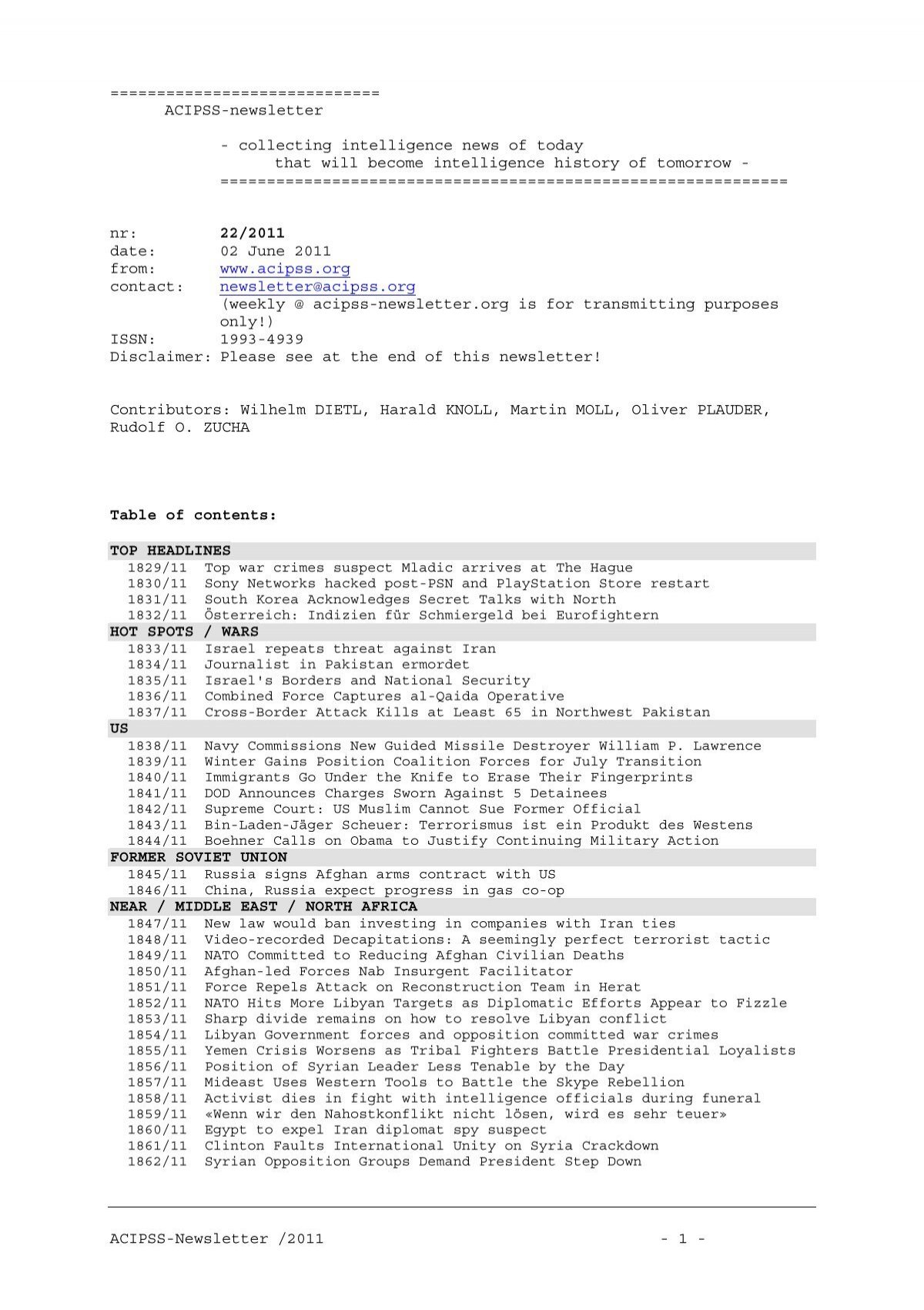
Perhaps one of the most stark and widely reported examples illustrating the "Minister Ahnungslos" predicament comes from the Austrian Defense Ministry's handling of the Eurofighter Typhoon combat aircraft. The case of then-Defense Minister Gerald Klug perfectly encapsulates the core issues. Reports detailing significant defects and operational limitations with the Eurofighter jets were circulating widely in the media. Germany, a key partner in the Eurofighter consortium, had even taken the drastic step of suspending the acceptance of further models due to these critical flaws.
Yet, amidst this growing public and international concern, Minister Klug found himself in an unenviable position: he had to inquire internally within his own ministry about the veracity of these reports. The manufacturer had indeed informed the ministry in Vienna about the issues. However, the information had either been deliberately withheld, downplayed, or simply lost in the labyrinthine corridors of military bureaucracy, failing to reach the minister's desk. The military personnel, for reasons ranging from perceived insignificance to fear of delivering bad news, had not deemed it necessary to fully brief their minister.
This incident wasn't just a communication breakdown; it was a systemic failure. It highlighted how vital information can become siloed, how a culture of deference or fear can prevent crucial facts from ascending the chain of command, and how easily a minister can become isolated from the operational realities of their own portfolio. The Eurofighter example underscores the direct consequences: strategic assets facing unforeseen challenges, strained international relations, and a public left questioning the competence of its leadership. This particular episode serves as a powerful case study for understanding the
Eurofighter Blunders: Inside the Defense Ministry's "Minister Ahnungslos" phenomenon.
From Military Blunders to Geopolitical Risks: The Iran Connection
While the Eurofighter debacle focused on procurement and equipment deficiencies, the "Minister Ahnungslos" challenge can extend to matters of far graver geopolitical significance. The very reference to an "Iran-Krieg" (Iran War) in connection with a "Minister Ahnungslos" hints at a dimension where unawareness moves beyond technical glitches to potential international conflict. While specific details of that particular incident may no longer be accessible, the implication is profound: a defense minister unaware of critical intelligence, strategic assessments, or even the escalating rhetoric surrounding a major international flashpoint like Iran.
Imagine a scenario where a nation's defense minister is either behind the curve or completely oblivious to intelligence reports suggesting a heightened risk of military engagement, or the intricate diplomatic maneuvering designed to avert one. Such unawareness could lead to:
* **Delayed Response:** Inadequate preparedness for rapid deployments, protective measures, or diplomatic interventions.
* **Misguided Policy:** Decisions made without full understanding of the regional dynamics or the potential for escalation.
* **Eroded Credibility:** A nation appearing indecisive or ill-prepared on the global stage, potentially emboldening adversaries.
* **Increased Risk to Personnel:** Military forces potentially being deployed or operating without full knowledge of threats or changing circumstances.
The sheer scale of information related to defense and foreign policy — from classified intelligence to complex diplomatic cables and military assessments — presents an enormous challenge. However, the failure to process, prioritize, and present this information effectively to the minister transforms this challenge into a crisis. In an age of rapid information flow and complex global threats, a "Minister Ahnungslos" on matters of international conflict is not just a political liability but a national security risk.
Why Information Fails: Common Pitfalls in Defense Ministries
The causes behind a minister's unwitting detachment from crucial information are multifaceted and often systemic. They expose the inherent challenges of managing vast, complex organizations like defense ministries.
- Bureaucratic Silos and Information Hoarding: Departments within a ministry often operate in isolation, failing to share critical data across divisions. Information can become proprietary to specific units, preventing a holistic view.
- Fear of Delivering Bad News: Subordinates may hesitate to present negative reports or uncomfortable truths to superiors, fearing professional repercussions or simply wanting to avoid appearing incompetent. This creates a "filter" where bad news gets diluted or buried.
- Information Overload: Ministers and their immediate staff are inundated with reports, briefings, and communications daily. Without effective filtering, summarization, and prioritization mechanisms, vital information can easily be missed.
- Lack of Proactive Inquiry: While staff have a duty to inform, ministers must also proactively seek information, challenge assumptions, and cultivate channels for independent verification. A passive minister relies solely on what is presented to them.
- Political vs. Professional Divide: Political appointees (the minister and their direct staff) may sometimes struggle to integrate effectively with career civil servants and military personnel, leading to communication gaps and mutual distrust.
- Complexity of Technical Issues: Modern defense systems like the Eurofighter are incredibly complex. Translating highly technical issues into understandable, actionable briefings for a non-technical minister requires specific skills often lacking.
- "Need to Know" Misinterpretations: The legitimate "need to know" principle for classified information can sometimes be overzealously applied, inadvertently limiting a minister's access to crucial context or details.
Understanding these pitfalls is the first step toward building more resilient and transparent ministerial operations.
Preventing the "Clueless Minister" Syndrome: Strategies for Oversight and Transparency
Ensuring that a minister is always well-informed requires a multi-pronged approach that fosters transparency, accountability, and effective communication channels. It's about building a robust system, not just relying on individual diligence.
1. Establishing Robust Reporting Mechanisms
- Clear Escalation Protocols: Define precise triggers and pathways for escalating critical information directly to the minister's office, bypassing potential bureaucratic bottlenecks.
- Dedicated Briefing Teams: Create specialized teams whose sole responsibility is to synthesize complex information into concise, actionable briefings tailored for ministerial decision-making.
- "Red Flag" Systems: Implement digital systems that automatically flag reports containing keywords or metrics indicating potential crises or significant deviations from norms.
2. Fostering a Culture of Transparency and Accountability
- Encouraging Open Communication: Promote an environment where subordinates feel safe and empowered to deliver unvarnished truths, irrespective of how unpalatable they might be.
- Regular Audits and Reviews: Conduct independent audits of internal communication flows and information-sharing practices to identify weaknesses and ensure compliance.
- "No Surprises" Principle: Instill a core value that no minister should ever be caught off guard by major internal developments or public revelations about their portfolio.
3. Empowering Ministers for Proactive Oversight
- Direct Access to Experts: Ministers should have direct, unfiltered access to technical experts, operational commanders, and intelligence analysts, not just through their political staff.
- Scheduled Deep Dives: Beyond daily briefings, allocate time for ministers to conduct "deep dives" into specific programs or challenges, allowing for detailed questioning and understanding.
- Independent Advisory Panels: Establish external, non-partisan advisory groups to provide alternative perspectives and cross-check information received from within the ministry.
4. Leveraging Technology and Training
- Advanced Information Dashboards: Utilize secure, real-time dashboards that provide ministers with an overview of key performance indicators, project statuses, and emerging threats.
- Training for Information Gatekeepers: Provide continuous training for staff responsible for information flow, focusing on critical thinking, summarization skills, and the importance of ministerial awareness.
Conclusion
The "Minister Ahnungslos" is more than a satirical jab; it's a stark warning about the fragility of informed governance. From the operational integrity of critical defense assets like the Eurofighter to the precarious balance of international relations involving nations like Iran, the potential consequences of a minister being unaware are profound. By recognizing the systemic failures that lead to this state of unknowing and by actively implementing strategies for robust information flow, transparency, and proactive oversight, governments can ensure that their leaders are truly at the helm, equipped with the knowledge needed to navigate the increasingly complex challenges of our world. A well-informed minister is not just an ideal; it is an absolute necessity for national security and public confidence.